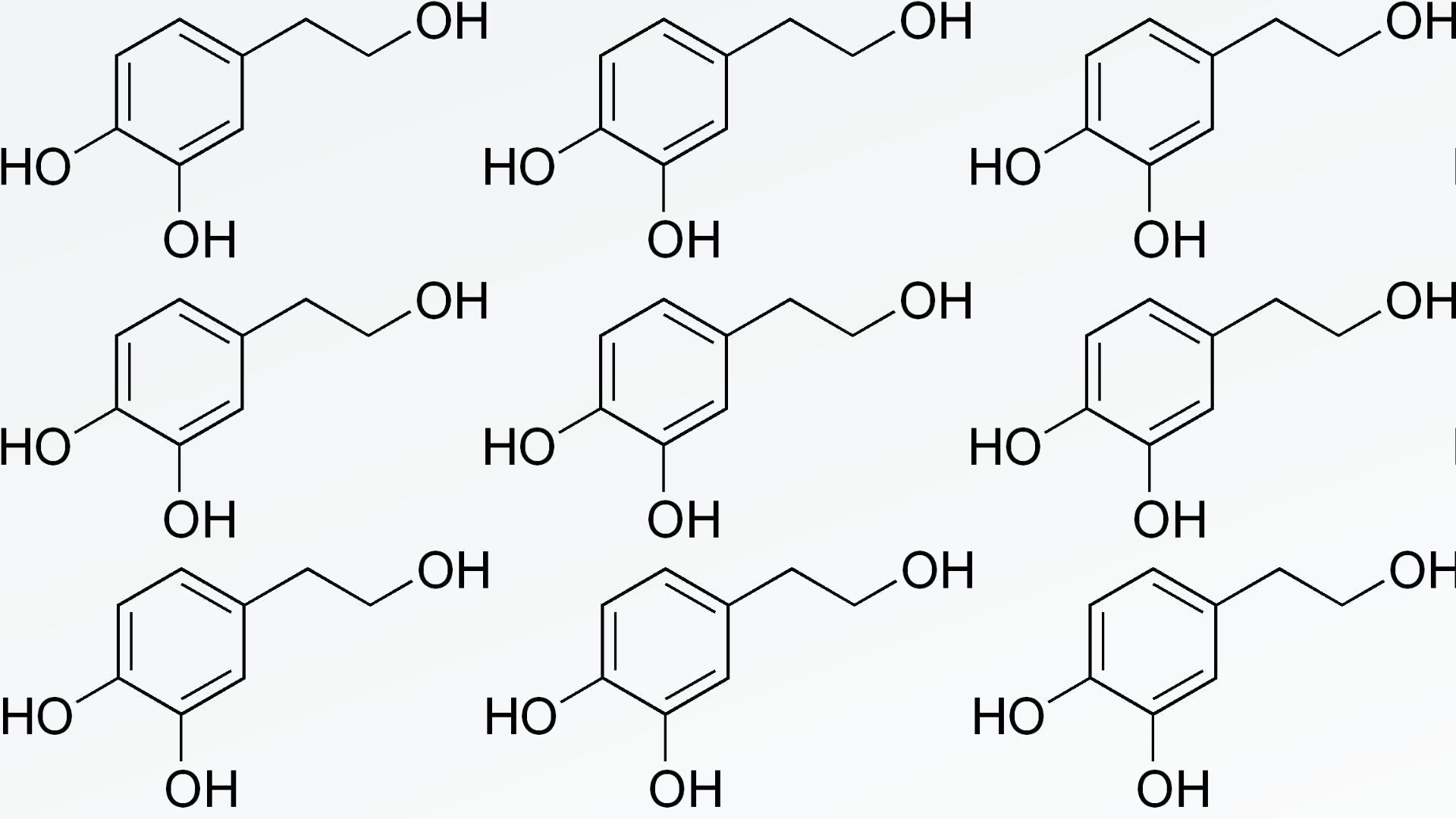
Hydroxytyrosol for Skin: What This Olive Antioxidant Really Does
Updated October 2026
Hydroxytyrosol is the main antioxidant in olives and olive oil. It's also one of the most studied plant antioxidants for skin. Lab studies show it protects skin cells from UV and blue-light damage, calms inflammation and supports repair. Large human trials on skin are still limited. This guide explains what hydroxytyrosol is, what the research actually shows, how it compares with vitamin C, and how to use it.
In short
- What it is: a polyphenol found in olive fruit, olive leaves and virgin olive oil.
- What it does on skin: neutralizes free radicals, calms inflammation and helps skin cells recover. Most of the evidence comes from lab and skin-model studies.
- Why choose it over vitamin C: it's more stable and works at skin-friendly pH, so it's gentler for sensitive skin.
- How to use it: in a cream or serum, morning and evening, under sunscreen in the daytime.
What is hydroxytyrosol?
Hydroxytyrosol (3,4-dihydroxyphenylethanol) is a polyphenol, the same family of plant compounds as the antioxidants in green tea and grapes. In olives it forms mainly when oleuropein, the bitter compound in olive leaves and unripe fruit, breaks down as the olive ripens and is pressed. That's why the same handful of ingredients keep showing up together on labels: virgin olive oil, olive leaf extract, oleuropein and hydroxytyrosol.
Its structure has three hydroxyl (-OH) groups, which let it donate electrons to unstable free radicals and neutralize them. This makes it a very efficient antioxidant. It also makes it water-loving, which matters for skincare: researchers note that the -OH groups limit how easily pure hydroxytyrosol crosses the skin's outer layer. Delivering it in an olive-oil base or a well-designed emulsion helps it get where it's needed.
Hydroxytyrosol is also one of the few plant antioxidants with an official EU health claim. The European Food Safety Authority concluded that olive polyphenols protect blood lipids from oxidative damage, at 5 mg of hydroxytyrosol and its derivatives a day. That claim covers eating olive oil, not applying it to skin. Still, it shows how well-studied this molecule is.
What the research says about hydroxytyrosol and skin
Most hydroxytyrosol skin research uses human skin cells or lab-grown skin models. These studies show how an ingredient works, but they aren't the same as a clinical trial on faces. Here's what has been found, and how strong each finding is.
| Benefit | What studies found | Type of evidence |
|---|---|---|
| Protects against UV damage | In human skin cells exposed to UVB, hydroxytyrosol reduced DNA strand breaks and free-radical build-up, in proportion to the dose (Guo et al., 2010) | Lab study on human skin cells |
| Protects against blue light from screens | In skin cells exposed to LED blue light, hydroxytyrosol from olive fruit protected keratinocytes and fibroblasts. It limited the enzymes that break down collagen and elastin (Avola et al., 2019) | Lab study on human skin cells |
| Calms inflammation | On lab-grown human epidermis, a hydroxytyrosol cream in virgin olive oil lowered inflammatory signals (IL-1α, IL-8) more than the reference drug dexamethasone did in that test, and supported barrier repair (Smeriglio et al., 2019). In skin cells, olive polyphenols also blocked the NF-κB inflammation pathway (Aparicio-Soto et al., 2019) | Reconstructed human skin model; lab study |
| Supports skin renewal and repair | At low concentrations, hydroxytyrosol increased the growth and migration of skin cells, the steps skin uses to repair itself (Abate et al., 2021). A 2020 review of wound-healing studies reached a similar conclusion (Utami et al., 2020) | Lab studies and review |
| Boosts the body's own antioxidants | When taken as a supplement (45 mg a day for 8 weeks), hydroxytyrosol doubled blood vitamin C levels in volunteers (Lopez-Huertas & Fonollá, 2017) | Small human trial (oral, not topical) |

What this means for your skin: the lab evidence points the same way. Hydroxytyrosol defends skin against the oxidative stress behind dullness, uneven tone and early lines, and helps calm reactive skin. It's best thought of as a daily protective and calming antioxidant, not an overnight wrinkle eraser. Use it consistently, alongside sunscreen.
Hydroxytyrosol vs vitamin C vs niacinamide
Hydroxytyrosol is often compared with vitamin C. The honest answer is that they do different jobs, and they work well together.
| Hydroxytyrosol | Vitamin C (L-ascorbic acid) | Niacinamide | |
|---|---|---|---|
| Main role | Antioxidant, calming | Antioxidant, brightening, collagen support | Barrier support, tone, oil balance |
| Stability | Stable in creams at skin-friendly pH | Oxidizes with air and light; needs a low pH | Very stable |
| Gentleness | Well tolerated, suits sensitive skin | Can sting or irritate at high strengths | Usually gentle; can cause flushing at high strengths |
| Strength of skin evidence | Mostly lab and skin-model studies | Many human clinical studies | Many human clinical studies |
| Best for | Daily protection, redness-prone or sensitive skin, natural routines | Dullness, dark spots, firmness | Enlarged pores, uneven tone, barrier repair |
| Natural source | Olives, olive leaves, virgin olive oil | Citrus and other fruits (usually synthesized) | Vitamin B3 (usually synthesized) |
Can you use them together? Yes. Hydroxytyrosol pairs well with both. If vitamin C serums irritate your skin, an olive-based hydroxytyrosol cream gives you daily antioxidant protection without the sting.
How to add hydroxytyrosol to your routine
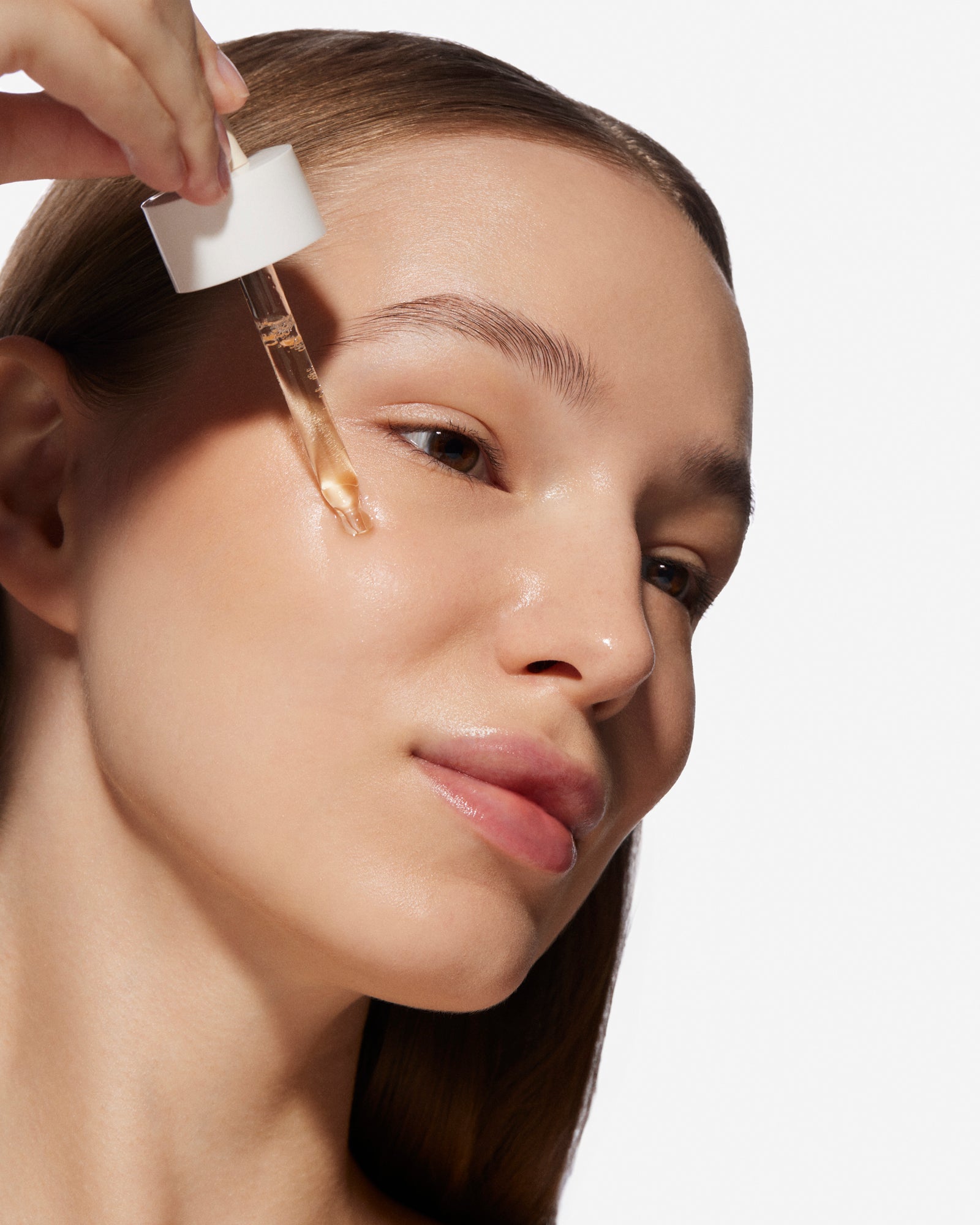
Hydroxytyrosol works best in a leave-on product, a cream or serum, because it needs time on the skin. A cleanser rinses off too quickly to count.
- Morning: cleanse, apply your hydroxytyrosol cream, then sunscreen. Antioxidants and SPF do different jobs: sunscreen blocks UV, and antioxidants help with the free radicals that get through, plus pollution and screen light.
- Evening: cleanse and apply a richer hydroxytyrosol cream as your last step. Night is when skin does most of its repair.
- With other actives: it's easy to layer with retinol, hyaluronic acid, peptides and vitamin C. If you use retinol, a nourishing olive oil cream on top helps limit dryness.
- Give it time: antioxidant benefits build gradually. Use it daily for 6–8 weeks before judging results.
Who should use hydroxytyrosol?
- Sensitive or redness-prone skin that can't tolerate strong acids or high-strength vitamin C
- City dwellers and screen-heavy days: pollution and blue light are both oxidative stressors
- Anyone starting a prevention routine in their late 20s or 30s
- Dry or mature skin: look for it in an olive-oil-rich base that also replenishes lipids
- Anyone who prefers a natural routine and wants a clinically studied antioxidant from a food source
Who should be careful: hydroxytyrosol itself is generally well tolerated. As with any new product, patch-test first if you have very reactive skin or known allergies to ingredients in the formula. If you have a diagnosed skin condition such as eczema, psoriasis or rosacea, check with your dermatologist before changing your routine.
Olivella creams with hydroxytyrosol
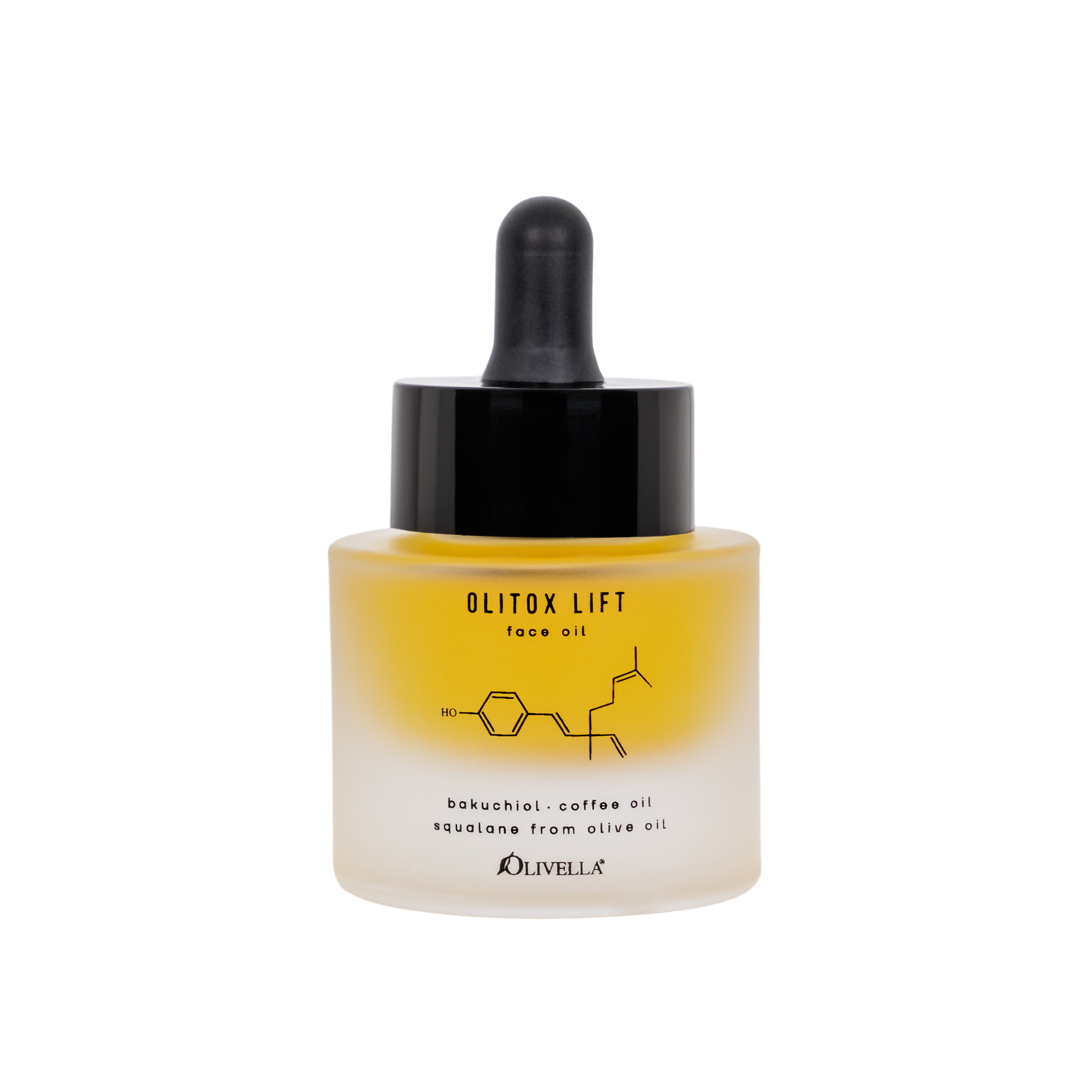
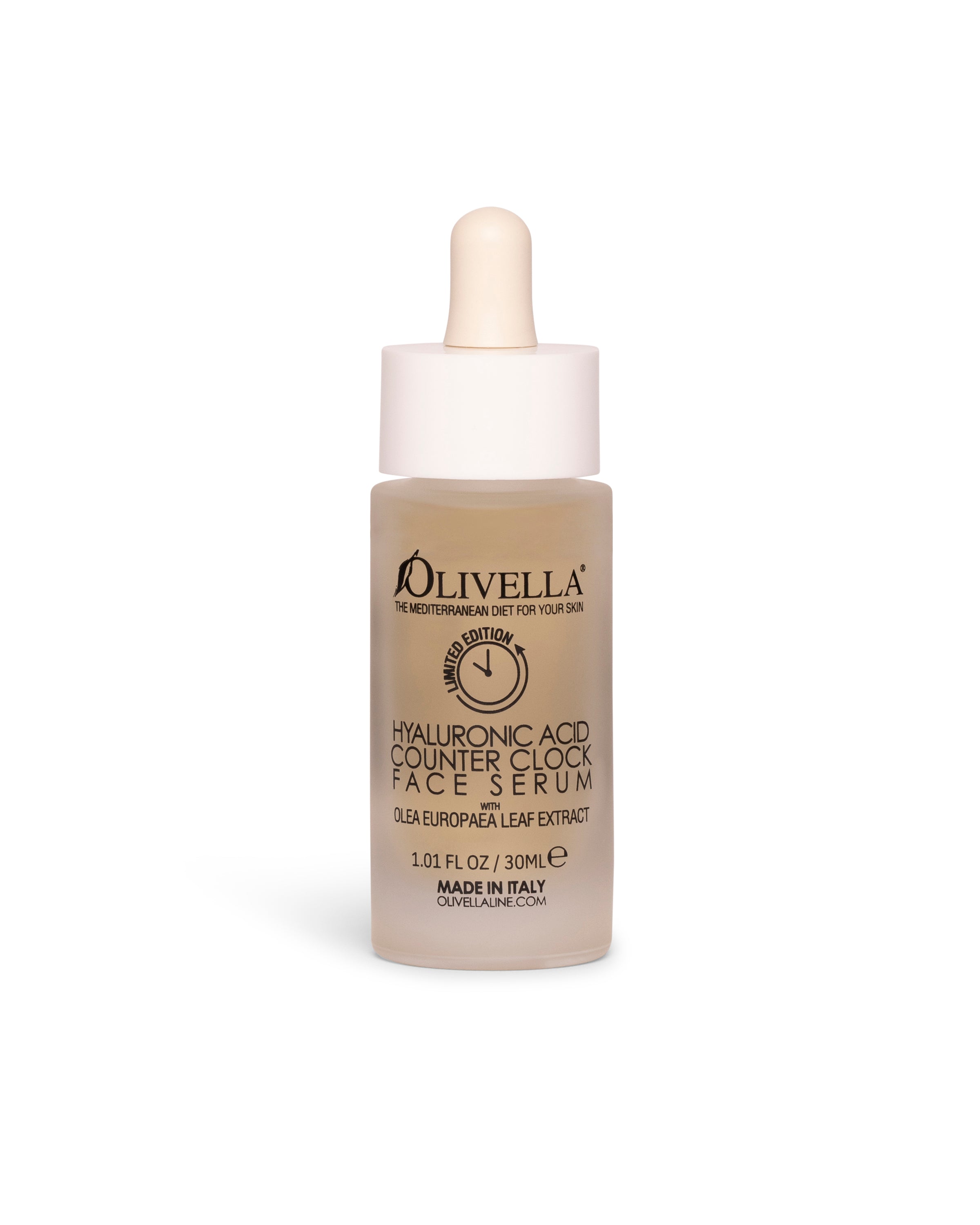
At Olivella, hydroxytyrosol comes from the olive itself. Our creams are built on ultra-purified virgin olive oil and olive leaf extract, a natural source of hydroxytyrosol and oleuropein. Delivering it in an olive oil base is the approach researchers highlight to help this water-loving antioxidant work in skin.
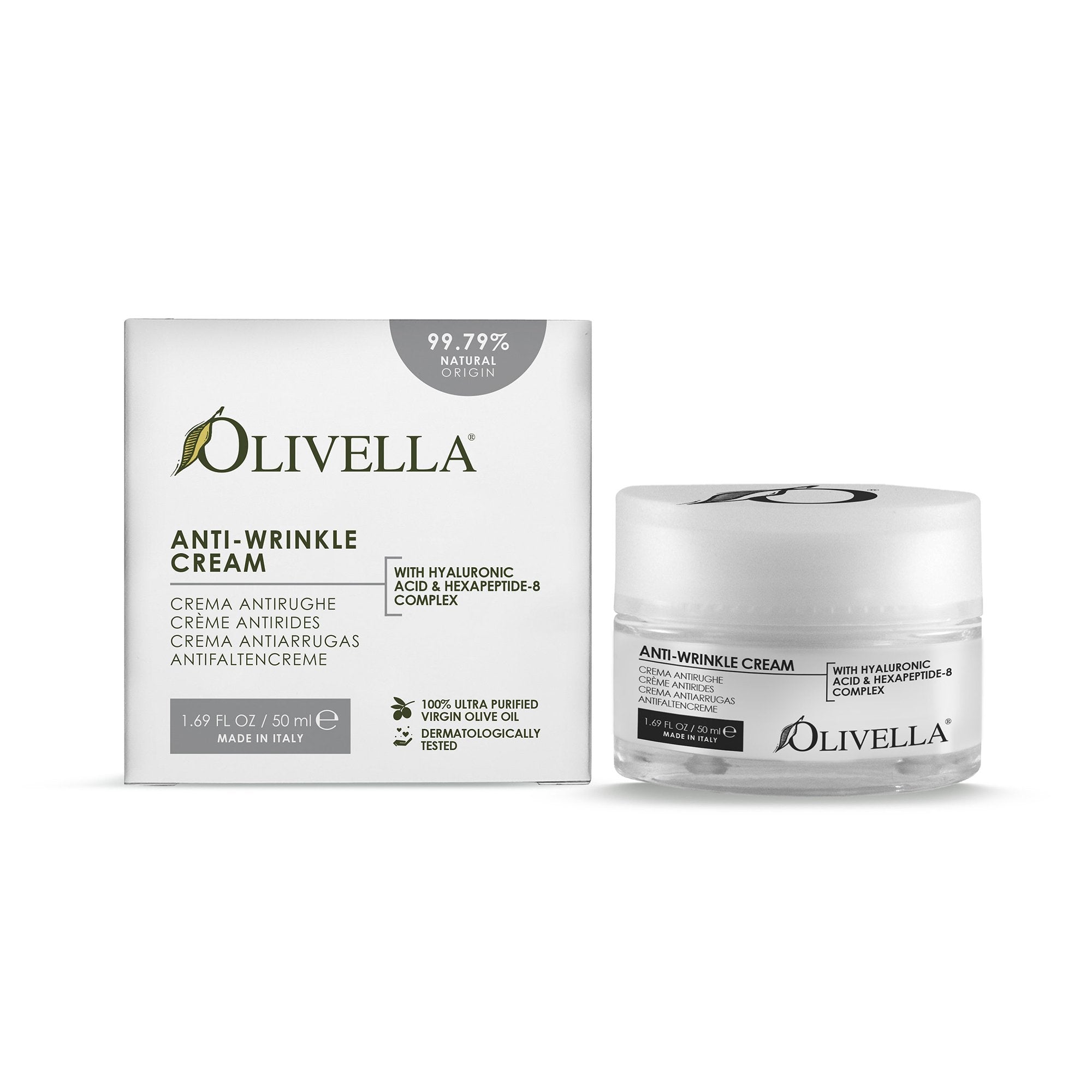
Anti-Wrinkle Olive Oil Cream: morning and evening
A 99.79% natural face cream that pairs hydroxytyrosol-rich olive leaf extract with hyaluronic acid and acetyl hexapeptide-8. It's for lines, loss of firmness and dull, dry-looking skin. Use it after cleansing, under SPF in the morning.
Nourishment Cream: evening
A rich 99.74% natural night cream. Virgin olive oil and olive leaf extract (hydroxytyrosol and oleuropein) team up with organic borage oil to restore skin lipids overnight. It's for dry, fragile or inelastic skin.
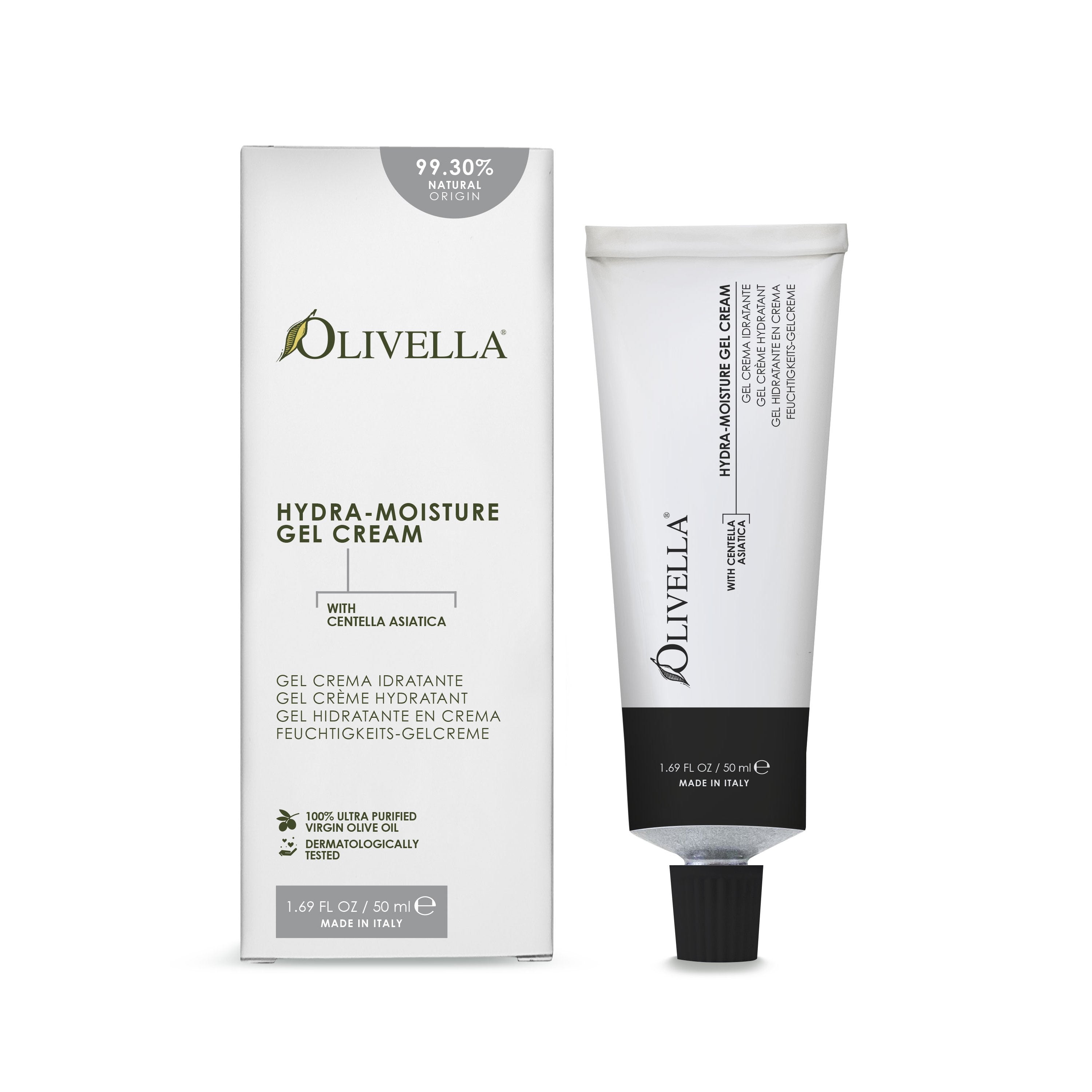
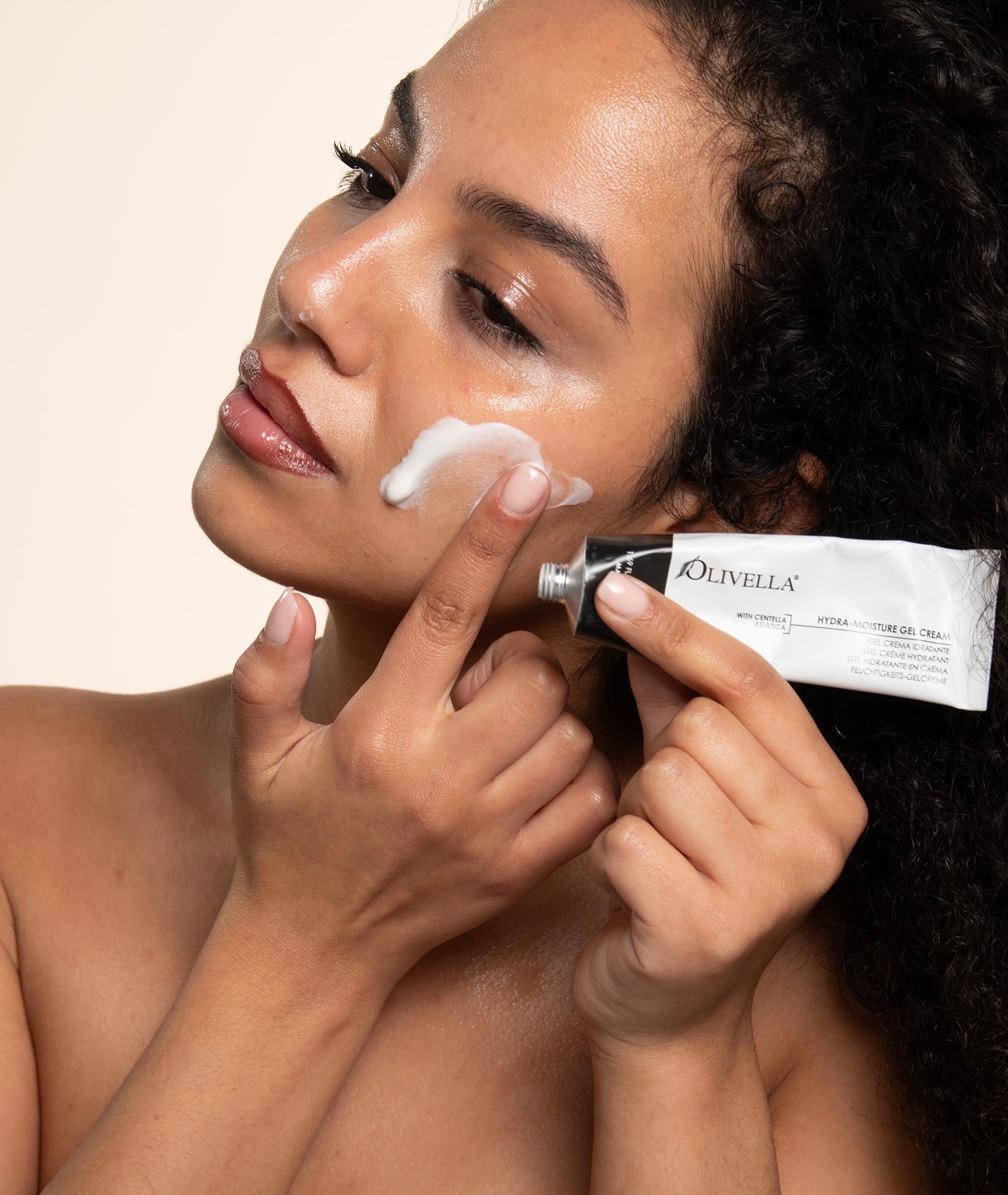
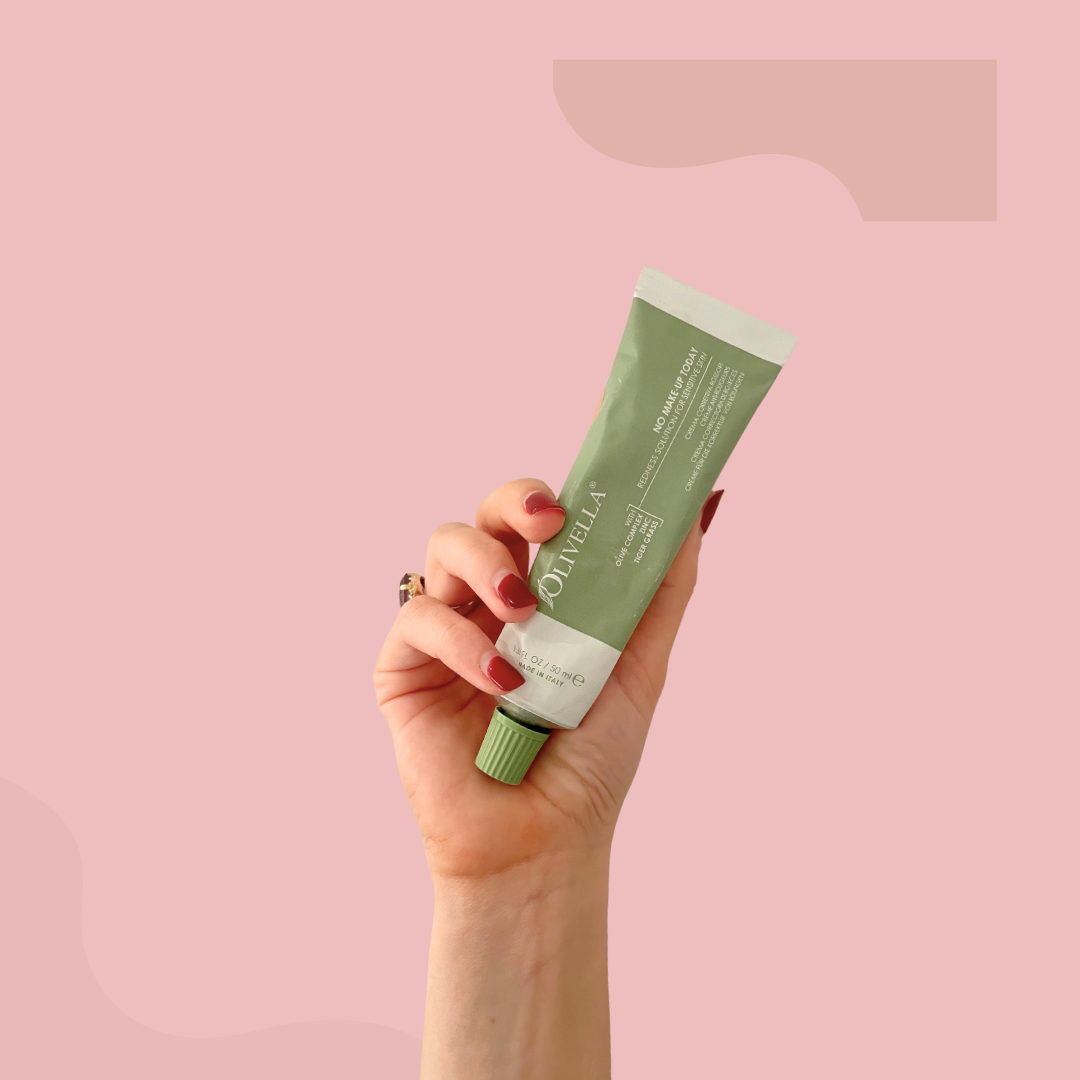
Also with olive leaf extract: Hydra Moisture Gel Cream, an ultra-light day gel-cream with tiger grass for redness, and Contour Eye Cream for the eye area.
Shop hydroxytyrosol skincare →
Hydroxytyrosol FAQ
What does hydroxytyrosol do for skin?
It's an antioxidant that neutralizes free radicals from UV, pollution and screen light. In lab studies it also calms inflammation and supports skin-cell repair. Over time this helps protect against dullness, uneven tone and early signs of aging.
Is hydroxytyrosol better than vitamin C?
Not better, but different. Hydroxytyrosol is more stable and gentler, so it suits sensitive skin. Vitamin C has more human clinical data for brightening and collagen. Many routines use both.
Can I use hydroxytyrosol with retinol?
Yes. It doesn't interact with retinol, and an olive-oil-based hydroxytyrosol cream can help with the dryness retinol often causes.
Is hydroxytyrosol safe for sensitive skin?
It's generally well tolerated. Unlike vitamin C, it doesn't need an acidic formula. Patch-test any new product if your skin is very reactive.
Does olive oil contain hydroxytyrosol?
Yes. Virgin olive oil naturally contains hydroxytyrosol and related polyphenols, and olive leaves and fruit are even richer sources. Refined olive oil loses most of them, which is why virgin olive oil and olive leaf extract matter in skincare.
How long does hydroxytyrosol take to work?
Antioxidant benefits are cumulative. Use it daily, morning and evening, for 6–8 weeks to judge the difference in tone and texture.
Should I take hydroxytyrosol supplements or use it on my skin?
They work differently. Supplements act on the whole body, and the EU's official health claim relates to eating olive polyphenols. Creams deliver it straight to the skin. Ask your doctor before starting any supplement.
References
- Guo W, et al. The protective effects of hydroxytyrosol against UVB-induced DNA damage in HaCaT cells. Phytotherapy Research, 2010. doi:10.1002/ptr.2943
- Avola R, et al. Hydroxytyrosol from olive fruits prevents blue-light-induced damage in human keratinocytes and fibroblasts. Journal of Cellular Physiology, 2019;234(6):9065–9076. PubMed
- Smeriglio A, et al. Safety and efficacy of hydroxytyrosol-based formulation on skin inflammation: in vitro evaluation on reconstructed human epidermis model. DARU Journal of Pharmaceutical Sciences, 2019;27(1):283–293. doi:10.1007/s40199-019-00274-3
- Aparicio-Soto M, et al. Olive-oil-derived polyphenols effectively attenuate inflammatory responses of human keratinocytes by interfering with the NF-κB pathway. Molecular Nutrition & Food Research, 2019;63:1900019. doi:10.1002/mnfr.201900019
- Abate M, et al. Keratinocytes migration promotion, proliferation induction, and free radical injury prevention by 3-hydroxytirosol. International Journal of Molecular Sciences, 2021;22(5):2438. MDPI
- Utami ND, et al. Molecular action of hydroxytyrosol in wound healing: an in vitro evidence-based review. Biomolecules, 2020.
- Lopez-Huertas E, Fonollá J. Hydroxytyrosol supplementation increases vitamin C levels in vivo. A human volunteer trial. Redox Biology, 2017;11:384–389. PubMed
- Procopio A, et al. Lipophilic hydroxytyrosol esters: fatty acid conjugates for potential topical administration. Journal of Natural Products, 2011.
- EFSA Panel on Dietetic Products, Nutrition and Allergies. Scientific opinion on health claims related to polyphenols in olive and protection of LDL particles from oxidative damage. EFSA Journal, 2011;9(4):2033. doi:10.2903/j.efsa.2011.2033