
Article: 4 Differences between Squalane from Olive Oil & Squalene and why you should care?
4 Differences between Squalane from Olive Oil & Squalene and why you should care?
If you've been exploring clean beauty or researching the ingredients in your skincare products, chances are you've come across the words squalane and squalene. They sound nearly identical — but they are very different compounds with very different implications for your skin and the planet. Understanding the difference between squalene and squalane from olive oil is more than a matter of chemistry. It's a matter of ethics, efficacy, and sustainability.
In this guide, we break down the 4 most important differences between these two molecules, explain why squalane is the superior choice for skincare, and show you how Olivella harnesses the power of squalane from olive oil to deliver exceptional results — naturally.
What Is Squalene? The Natural Starting Point
Squalene (spelled with an 'e') is a naturally occurring hydrocarbon found throughout nature. It is a triterpene — a type of lipid — that plays a vital role in the human body. Your skin naturally produces squalene as part of its sebum (the oily protective layer on the skin's surface). In fact, squalene makes up roughly 10–12% of human sebum, making it one of the most prevalent lipids your skin produces.
Squalene is also found in several natural sources, including:
- Shark liver oil (historically the primary commercial source)
- Olive oil (one of the richest plant-based sources, comprising up to 0.7% of extra virgin olive oil)
- Amaranth seed oil
- Wheat germ oil
- Rice bran oil
The challenge with squalene in skincare is its chemical instability. As an unsaturated compound (meaning it contains multiple double bonds), squalene oxidizes quickly when exposed to air. This oxidation not only degrades the molecule — it can produce byproducts that actually clog pores and irritate the skin. This is why raw squalene is rarely used in skincare formulations on its own.
What Is Squalane? The Stabilized, Skincare-Ready Form
Squalane (spelled with an 'a') is the hydrogenated, fully saturated form of squalene. Through a process called hydrogenation — the same process used to stabilize cooking oils — all of squalene's double bonds are converted into single bonds, creating a molecule that is far more chemically stable and resistant to oxidation.
This stability makes squalane a powerhouse skincare ingredient. It doesn't go rancid. It doesn't oxidize on the skin. It stores well at room temperature for months or even years without degrading. In short, it retains all the biological benefits of squalene — moisturization, antioxidant protection, and skin barrier support — while being safe, shelf-stable, and far more effective in cosmetic formulations.
The best source of squalane for skincare? Olive oil. Olive oil is one of the richest plant-based sources of squalene, and squalane derived from olive oil is considered the gold standard in the clean beauty industry.
The 4 Key Differences Between Squalane from Olive Oil and Squalene
1. One Is Derived from the Other — But They Are Not the Same
Squalane is derived from squalene through a hydrogenation process, making it the more refined and stable version of the molecule. Think of squalene as the raw ingredient and squalane as the finished, refined compound that is actually ready for use on your skin.
While they share a similar molecular structure, the critical difference lies in their degree of saturation. Squalene is polyunsaturated, with six double bonds in its carbon chain. Squalane is fully saturated — all those double bonds have been converted through hydrogenation, creating a completely stable molecule.
This seemingly small chemical difference has enormous practical implications. The stability of squalane makes it a far superior ingredient for topical skincare: it penetrates the skin smoothly, resists oxidation, and performs consistently from the first use to the last drop of the bottle.
2. Squalane from Olive Oil Is the Ethical, Sustainable Alternative to Shark-Derived Squalane
This is perhaps the most important difference for conscious consumers. For decades, squalane used in cosmetics was primarily derived from shark liver oil. Deep-sea sharks — particularly species like the gulper shark (Centrophorus granulosus) — have enormous livers rich in squalene, and they were hunted in massive numbers to supply the cosmetics industry.
The environmental consequences have been severe. Many deep-sea shark species reproduce slowly and mature late, making populations extremely vulnerable to overfishing. Conservation groups have documented dramatic declines in deep-sea shark populations linked directly to the cosmetics industry's demand for squalene.
The good news: squalane from olive oil offers a completely plant-based, cruelty-free alternative — and a superior one at that. Olive-derived squalane is obtained from the unsaponifiable fraction of olive oil, the portion that doesn't convert into soap during saponification. This fraction is rich in squalene, which is then hydrogenated into stable, pure squalane.
At Olivella, our entire product line is built on 100% Virgin Olive Oil sourced from the Umbrian hills of Italy. Every formulation leverages the natural richness of olive-derived squalane — ensuring that no sharks are harmed in the making of your skincare routine.
3. Squalane Has Exceptional Skin Absorption — Far Superior to Squalene
One of the most remarkable properties of squalane — particularly squalane from olive oil — is its ability to penetrate the skin with extraordinary speed and efficiency. Research has shown that highly refined squalane can absorb into the skin at a rate of approximately 2 mm per second, one of the fastest absorption rates of any skincare ingredient.
Why does this matter? Because skincare ingredients that sit on the surface of the skin don't hydrate, protect, or repair as effectively as those that actually penetrate the skin barrier. Squalane from olive oil is lipophilic (oil-soluble) and closely matches the natural lipid composition of human skin, which is why it integrates so seamlessly — and so quickly — into the skin's structure.
Once absorbed, squalane gets to work. It:
- Replenishes skin's natural lipid barrier, preventing transepidermal water loss (TEWL)
- Deeply hydrates without clogging pores (it is non-comedogenic)
- Supports cellular regeneration and skin renewal
- Improves the texture and tone of the skin over time
This is why Olivella customers consistently report that our creams and lotions feel incredibly lightweight and absorb almost instantly — with no greasy residue. That's the squalane from olive oil at work.
4. Squalane Is a True Multi-Benefit Antioxidant; Squalene Is Not Stable Enough to Deliver These Benefits
Squalane is not just a moisturizer — it is a true antioxidant. And because of its chemical stability (unlike squalene, which oxidizes readily), it can actually deliver these antioxidant benefits on your skin over time without degrading.
Here's what the science tells us about squalane's skincare benefits:
- UV and free radical protection: Squalane helps neutralize free radicals generated by UV radiation, reducing photoaging and the formation of age spots and hyperpigmentation.
- Antibacterial properties: Squalane has demonstrated mild antibacterial activity, helping to keep the skin's surface clean and reducing the risk of blemishes.
- Cell growth promotion: Squalane supports cellular turnover, helping skin look fresher and more youthful over time.
- Anti-inflammatory effects: Squalane can help soothe irritated, sensitive, or reactive skin — making it suitable for all skin types, including acne-prone and rosacea-prone skin.
- Anti-aging support: By reinforcing the skin's moisture barrier and combating oxidative stress, squalane helps reduce the appearance of fine lines and wrinkles with consistent use.
Squalene, by contrast, oxidizes quickly when applied to skin — which means its benefits degrade almost as soon as they are delivered. For long-lasting, meaningful skincare benefits, squalane from olive oil is the clear winner.
Who Should Use Squalane? (Spoiler: Everyone)
One of squalane's greatest attributes is its universal compatibility. Unlike many active skincare ingredients that are suited only to certain skin types, squalane from olive oil works beautifully across all skin types:
- Dry skin: Squalane deeply replenishes moisture and restores suppleness to tight, flaky, or parched skin.
- Oily skin: Because squalane is non-comedogenic and closely mimics the skin's natural sebum, it can actually help balance oil production rather than adding to it.
- Combination skin: Squalane hydrates without heaviness — ideal for those who need moisture in some areas but lightness in others.
- Sensitive skin: Its anti-inflammatory and hypoallergenic profile makes squalane one of the safest ingredients for reactive or allergy-prone skin.
- Mature skin: As we age, our skin naturally produces less squalene. Replenishing it topically with squalane from olive oil helps restore the skin's youthful barrier function and plumpness.
How to Identify Squalane from Olive Oil in Your Skincare Products
When shopping for skincare, knowing how to read an ingredient label is key. Here's what to look for:
- Look for the INCI name: Squalane (this is the standardized cosmetic ingredient name)
- Check for plant-based sourcing indicators such as "olive-derived," "from olive oil," or "vegetable squalane" on the product page or packaging
- Avoid products that list only Squalene — this is the unstabilized form and not suitable for high-performance skincare
- Look for brands that are transparent about their sourcing, particularly for shark-free or vegan certifications
Olivella and the Power of Squalane from Olive Oil
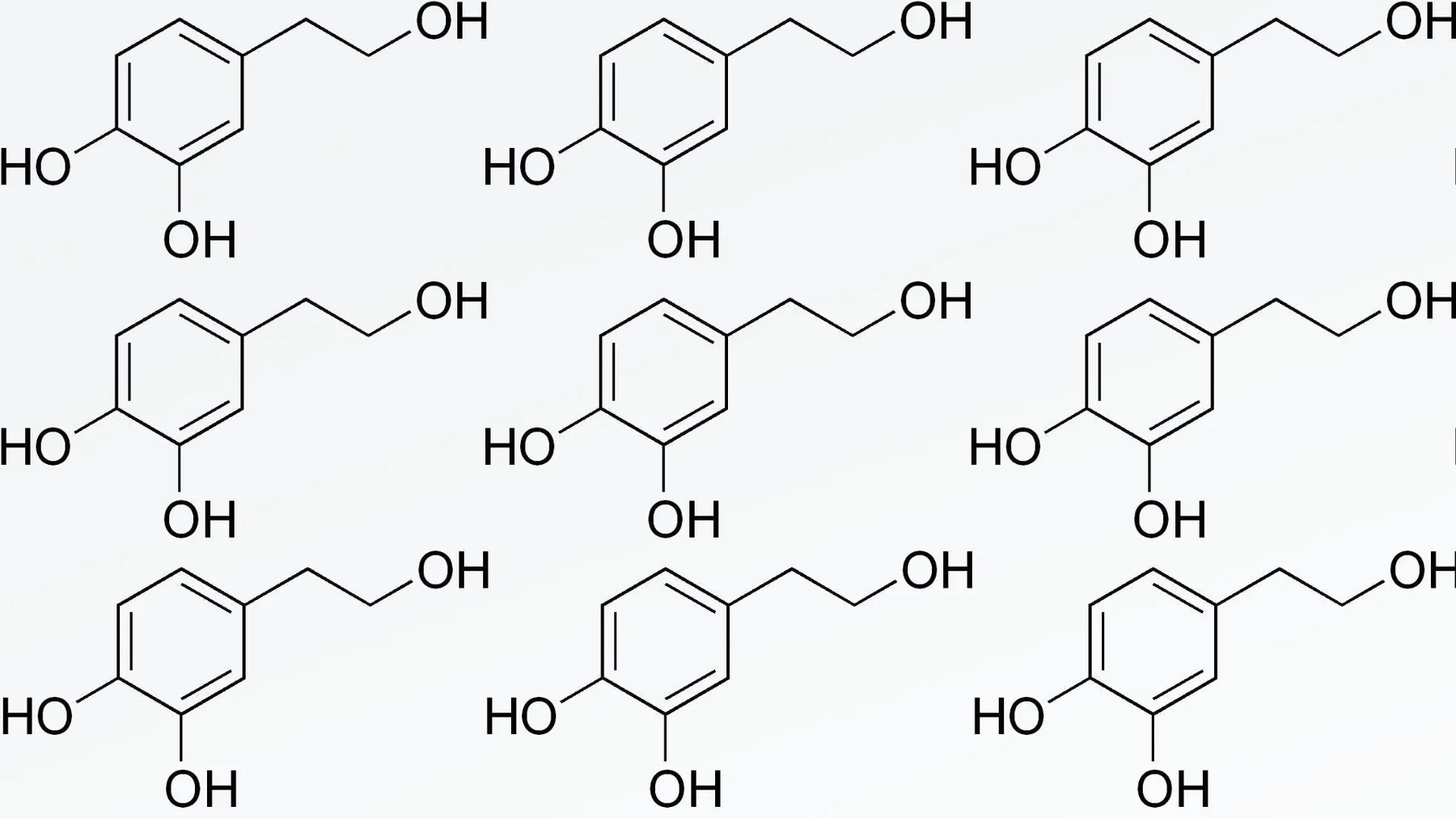
At Olivella, squalane from olive oil isn't a marketing buzzword — it's the backbone of our entire skincare philosophy. Every product we create is formulated with 100% Virgin Olive Oil sourced from the Umbrian hills of Italy, one of the world's premier olive-growing regions. This means our customers benefit not just from squalane, but from the full spectrum of olive oil's bioactive compounds: polyphenols, oleic acid, vitamin E, hydroxytyrosol, and more.
Our formulations are designed to harness the synergistic power of these olive-derived ingredients to provide comprehensive, science-backed skincare for the whole body — face, hair, skin, and beyond. And because our products are free from harsh synthetics and shark-derived ingredients, they align with both your personal wellness goals and your values as a conscious consumer.
Frequently Asked Questions About Squalane and Squalene
Is squalane from olive oil better than squalane from sugarcane?
Both olive-derived and sugarcane-derived squalane are high-quality, plant-based, cruelty-free alternatives to shark squalane. Olive-derived squalane has a slightly different fatty acid profile that may offer additional skin-compatible benefits, given olive oil's rich history of skin compatibility. At Olivella, we use olive-derived squalane to stay true to our 100% Olive Oil formulation philosophy.
Can I use squalane from olive oil on my face every day?
Yes. Squalane from olive oil is gentle enough for daily use on the face, morning and night. It works well as a moisturizer on its own or layered under or over other skincare products. Because it is non-comedogenic, it won't clog pores even with daily application.
Does squalane from olive oil help with anti-aging?
Yes. By reinforcing the skin barrier, combating oxidative stress from UV radiation and environmental pollutants, supporting cellular turnover, and deeply hydrating the skin, squalane from olive oil is one of the most effective natural anti-aging ingredients available. Consistent use can help reduce the appearance of fine lines, wrinkles, and age spots over time.
Is squalane vegan?
Squalane from olive oil is 100% vegan and cruelty-free. Squalane derived from shark liver, however, is not. Always check a brand's sourcing claims to confirm that the squalane in your product is plant-derived.
The Bottom Line: Choose Squalane from Olive Oil
When it comes to choosing between squalene and squalane — and between shark-sourced and olive-derived — the differences are clear. Squalane from olive oil is stable, rapidly absorbed, multi-functional, sustainable, and cruelty-free. It outperforms raw squalene in every meaningful skincare metric and represents the ethical evolution of an ingredient category that once relied on the decimation of shark populations.
Olivella has been championing squalane from olive oil since our founding. It's not a trend for us — it's a commitment to delivering the very best of what the Mediterranean olive has to offer to your skin, your health, and the world.

